中文简体
 عربى
Content
- 1 1. Understanding the Foundation: What Is a Direct Selection Double System Full-Inserted Needle Plate Computerized Flat Knitting Machine?
- 2 2. Core Technology: Direct Electronic Needle Selection and Full-Inserted Needle Plate Design
- 3 3. Performance Characteristics and Productivity Advantages
- 4 3. Comparative Analysis: Direct Selection Double System vs. Traditional Knitting Machines
- 5 4. Manufacturing Applications and Design Potential
- 6 5. Sourcing and Quality Considerations for Exporters
- 7 6. Conclusion: The Value of Direct Selection Double System Technology in Modern Knitwear Manufacturing
- 8 7. Frequently Asked Questions
- 8.1 Q1: What are the main benefits of a direct selection double system full-inserted needle plate computerized flat knitting machine?
- 8.2 Q2: How does full-inserted needle plate technology affect the lifespan of the machine?
- 8.3 Q3: What is the maximum knitting speed of this machine?
- 8.4 Q4: What types of yarns can be used with this machine?
- 8.5 Q5: Is this machine suitable for small-batch production?
- 9 8. References
In the rapidly evolving world of knitwear manufacturing, the selection of the right knitting technology is a critical decision that directly impacts production efficiency, pattern complexity, and overall product quality. Among the various types of flat knitting machines available, the Direct Selection Double System Full-Inserted Needle Plate Computerized Flat Knitting Machine has emerged as a preferred choice for manufacturers seeking a solution that combines high-speed production with exceptional pattern versatility and precision. This advanced machine integrates direct electronic needle selection with a double system configuration and a full-inserted needle plate design, allowing for complex knitwear designs to be produced with unprecedented efficiency and accuracy. This article provides a comprehensive technical analysis of Direct Selection Double System Full-Inserted Needle Plate Computerized Flat Knitting Machine, exploring its design principles, system architecture, core technologies, and the critical factors that distinguish it from alternative knitting solutions. For knitwear manufacturers, production managers, and textile procurement specialists seeking to make informed decisions about advanced knitting equipment, understanding the nuances of this sophisticated machine is essential for optimizing production capacity and maintaining competitive advantage in the global textile market.
1. Understanding the Foundation: What Is a Direct Selection Double System Full-Inserted Needle Plate Computerized Flat Knitting Machine?
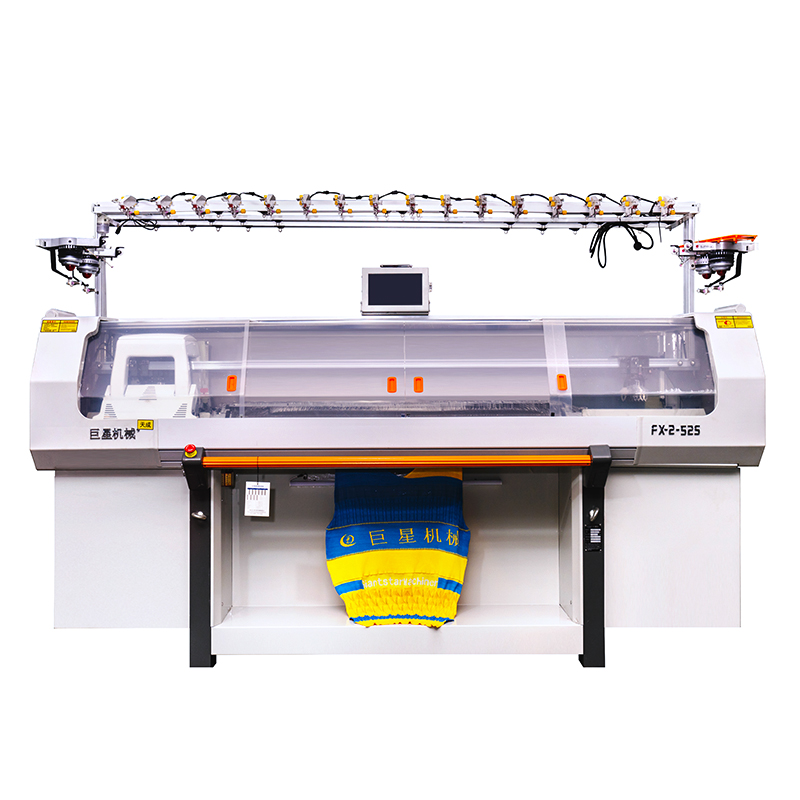
Before delving into the specific characteristics and applications of this machine, it is important to establish a clear understanding of what defines a direct selection double system full-inserted needle plate computerized flat knitting machine. This is a sophisticated piece of equipment used in the textile industry for the production of high-quality knitted fabrics and garments. It incorporates advanced computerized technology to automate and enhance the knitting process, resulting in increased efficiency, precision, and pattern versatility.
The "direct selection" refers to the electronic needle selection system where each needle is independently controlled via electromagnetic actuators. This eliminates the mechanical delays associated with traditional indirect selection methods and allows for precise control of "knit," "tuck," or "miss" functions for each needle in a single pass [citation:13]. The "double system" configuration features two independent knitting systems working in synchronization, allowing for simultaneous knitting, tucking, and transferring operations, significantly increasing production speed and pattern complexity. The "full-inserted needle plate" is a critical design feature where individual steel inserts form the needle grooves, providing superior heat dissipation, enhanced durability, and modular repairability [citation:9][citation:13].
Compared to traditional spring needle machines or indirect selection systems, the direct selection double system full-inserted needle plate computerized flat knitting machine offers several distinct advantages. The direct electronic selection provides faster response times and higher pattern fidelity [citation:13]. The double system configuration allows two rows of stitches to be formed in a single carriage stroke, effectively doubling output for basic structures compared to single system machines. The full-inserted needle plate construction allows for superior heat dissipation during high-speed friction and provides a harder surface for the needles to slide against, significantly lowering maintenance over the machine's operational lifecycle [citation:13].
2. Core Technology: Direct Electronic Needle Selection and Full-Inserted Needle Plate Design
The performance of the direct selection double system full-inserted needle plate computerized flat knitting machine is defined by its sophisticated control architecture and mechanical design. Understanding these core technologies is essential for appreciating the machine's capabilities and optimizing its operation.
2.1 Direct Electronic Needle Selection System
The direct electronic needle selection system is the intelligence behind the machine's pattern versatility. Individual needle selection is achieved through electromagnetic actuators positioned above each needle. When the knitting program calls for a needle to knit, the actuator moves a selection jack that pushes the needle butt into the knitting cam path. When the needle should not knit, the actuator positions the selection jack so the needle butt bypasses the cam path [citation:15]. This selection occurs for each needle on each knitting course, enabling complex stitch structures where needles can knit, tuck, or miss independently. The selection actuators must respond within milliseconds to keep pace with machine speeds of up to 1.6 meters per second [citation:2][citation:15]. Direct selection systems provide real-time response times of less than 2 milliseconds, compared to 10-15 milliseconds for indirect mechanical selection systems [citation:13]. This faster response time enables higher pattern complexity and reduces "ghosting" pattern errors often found in mechanical jacquard machines [citation:13].
2.2 Full-Inserted Needle Plate Technology
The full-inserted needle plate technology is a critical design feature that enhances the longevity of the machine bed and the precision of the knitting process. In a conventional milled needle plate, the grooves are part of the solid cast iron or steel block, which can be prone to wear and difficult to repair. In contrast, a full-inserted needle plate features individual steel inserts that form the needle grooves [citation:9][citation:13]. This construction allows for superior heat dissipation during high-speed friction and provides a harder surface for the needles to slide against [citation:13]. If a groove is damaged, the specific insert can be replaced without discarding the entire needle bed, significantly lowering maintenance costs over the operational lifecycle of the machine [citation:13]. The full-inserted needle plate ensures that each needle position is equipped with an independent pin, improving the variability and flexibility in the knitting process [citation:9].
3. Performance Characteristics and Productivity Advantages
The direct selection double system full-inserted needle plate computerized flat knitting machine offers a range of performance characteristics that make it suitable for demanding knitwear manufacturing applications.
3.1 High-Speed Operation and Efficiency
With maximum knitting speeds reaching 1.6 meters per second, these machines significantly outperform older mechanical models [citation:2][citation:5]. The high-speed operation is made possible by the direct selection logic and the double system configuration, which eliminates the need for multiple carriage passes to complete complex operations. The machine's speed and efficiency are further enhanced by features like automatic thread trimming, automatic yarn feeders, and automatic stop motion sensors [citation:5]. Pattern change time is reduced from hours or days to seconds, as designs are stored electronically and can be changed simply by selecting a different file from the control panel [citation:15].
3.2 Precision and Pattern Versatility
The direct selection feature allows for precise and flexible programming, enabling the machine to create complex patterns and intricate designs with ease. The double system capability means it can produce fabrics with two different colors or textures simultaneously, expanding design possibilities [citation:2]. The machine can easily modify designs, stitch patterns, and sizes without the need for significant retooling or manual adjustments [citation:2]. The full-inserted needle plate ensures that each needle is securely held in place, reducing the risk of dropped stitches or damage to sensitive yarns [citation:4].
3. Comparative Analysis: Direct Selection Double System vs. Traditional Knitting Machines
While both direct selection double system machines and traditional spring needle machines serve the fundamental purpose of producing knitted fabric, the distinct design features of the direct selection machine result in significant differences in performance, productivity, and pattern capability. The following table provides a direct comparison to guide knitwear manufacturers, production managers, and procurement specialists in selecting the appropriate machine for their specific needs.
| Feature | Direct Selection Double System | Traditional Spring Needle Machine |
|---|---|---|
| Needle Selection Method | Electronic direct selection, each needle independently controlled [citation:15] | Mechanical jacks or pattern chains, limited selection [citation:15] |
| Pattern Change Time | Seconds via digital interface [citation:15] | Hours to days, requires rebuilding pattern chains [citation:15] |
| Needle Plate Configuration | Full inserted plate, every needle position active [citation:9] | Partial selection, gaps in needle placement [citation:15] |
| Max Carriage Speed | 1.6 m/s [citation:2] | 0.6 - 1.0 m/s [citation:15] |
| Repairability | Modular (replaceable inserts) [citation:13] | Non-modular (requires bed milling) [citation:13] |
| Pattern Complexity | High-definition Jacquard, unlimited design possibilities [citation:13][citation:15] | Limited by mechanical selection constraints [citation:15] |
The choice between a direct selection double system full-inserted needle plate computerized flat knitting machine and a traditional machine ultimately depends on the specific requirements of the production operation. If the primary need is for high-volume production of complex patterns with maximum efficiency and precision, the direct selection double system machine is the ideal choice. For operations with simpler pattern requirements or lower production volumes, a traditional machine may be sufficient.
4. Manufacturing Applications and Design Potential
The applications for direct selection double system full-inserted needle plate computerized flat knitting machines are extensive, spanning multiple apparel categories from fashion knitwear to home textiles and technical fabrics.
4.1 Fashion Knitwear and Sweaters
The primary application is in the production of sweaters and other fashion knitwear. The machine's ability to create complex jacquard patterns, intarsia designs, and three-dimensional textures makes it ideal for high-end fashion production [citation:9]. The double system allows for simultaneous knitting and transferring, which is essential for shaped garments and intricate design details [citation:2].
4.2 Home Textiles
The machine is increasingly used in the production of home textiles, including bedding, curtains, sofa covers, and carpets. The direct selection double system enables complex and exquisite pattern designs in bedding, creative color matching and texture effects in curtains, and personalized customization of sofa covers and carpets [citation:3].
5. Sourcing and Quality Considerations for Exporters
For businesses involved in international trade and manufacturing, sourcing direct selection double system full-inserted needle plate computerized flat knitting machines from a reliable supplier is paramount. Exporters should prioritize suppliers with a proven track record and established credentials, such as those with extensive industry experience, advanced manufacturing facilities, and comprehensive quality control systems.
Key quality parameters to consider when evaluating direct selection double system full-inserted needle plate computerized flat knitting machines include:
- Needle Selection System: Verify the reliability and response time of the direct electronic selection system for consistent pattern execution.
- Needle Plate Quality: Ensure the full-inserted needle plate is manufactured from high-strength, wear-resistant materials with precision machining [citation:9].
- System Synchronization: Ensure the double knitting systems are precisely synchronized for consistent stitch quality and pattern accuracy.
- Control System: Verify the reliability and user-friendliness of the computerized control system, including software updates and technical support availability.
- Certifications: Look for suppliers with relevant quality certifications, such as ISO 9001, which indicates a commitment to quality management systems.
6. Conclusion: The Value of Direct Selection Double System Technology in Modern Knitwear Manufacturing
The direct selection double system full-inserted needle plate computerized flat knitting machine represents a significant advancement in knitwear manufacturing technology, delivering high-speed production, exceptional pattern versatility, and precise quality control in a sophisticated, reliable package. The combination of direct electronic needle selection, double system synchronization, and full-inserted needle plate technology makes this machine an ideal choice for manufacturers seeking to optimize quality and productivity.
For knitwear manufacturers, production managers, and procurement specialists, understanding the unique advantages and specifications of the direct selection double system full-inserted needle plate computerized flat knitting machine is essential for informed equipment selection. By choosing high-quality machines from reputable manufacturers, businesses can ensure the productivity, quality, and competitiveness of their knitting operations.
7. Frequently Asked Questions
Q1: What are the main benefits of a direct selection double system full-inserted needle plate computerized flat knitting machine?
The primary benefits include high pattern precision due to direct electromagnetic selection, easy maintenance thanks to the modular inserted needle plate, and superior fabric quality achieved through stable needle movement. The double system configuration also provides increased production speed and pattern complexity compared to single system machines [citation:13].
Q2: How does full-inserted needle plate technology affect the lifespan of the machine?
It significantly extends the lifespan by using hardened steel inserts that resist wear from needle friction. It also prevents the need for expensive needle bed replacements by allowing for the replacement of individual groove walls, making maintenance more predictable and cost-effective [citation:13].
Q3: What is the maximum knitting speed of this machine?
The maximum knitting speed of the direct selection double system full-inserted needle plate computerized flat knitting machine is 1.6 meters per second. This high-speed operation is made possible by the direct electronic selection logic and the double system configuration [citation:2].
Q4: What types of yarns can be used with this machine?
The machine is capable of handling different types of yarns and knitting techniques. It can handle various yarns ranging from fine gauge silk and cashmere to heavier gauge wool and cotton yarns, thanks to the direct selection control and the full-inserted needle plate design that securely holds needles in place [citation:4].
Q5: Is this machine suitable for small-batch production?
Yes, the direct selection system allows for easy modification of designs, stitch patterns, and sizes without significant retooling or manual adjustments. This versatility makes the machine ideal for small-batch production or customized orders [citation:2].
8. References
1. Zhejiang Tongtai Intelligent Technology Co., Ltd. (2026). Direct Selection Double System Full-Inserted Needle Plate Computerized Flat Knitting Machine Product Details. Tongtai Product Catalog [citation:2].
2. Zhejiang Tongtai Intelligent Technology Co., Ltd. (2025). Application and Influence of Direct Selection Double System Full-Inserted Needle Plate Computerized Flat Knitting Machine in the Field of Home Textiles. Industry News [citation:3].
3. Zhejiang Tongtai Intelligent Technology Co., Ltd. (2026). Can the Direct Selection Double System Full-Inserted Needle Plate Computerized Flat Knitting Machine Handle Different Types of Yarn and Knitting Techniques? Industry News [citation:4].
4. Zhejiang Tongtai Intelligent Technology Co., Ltd. (2026). How Is the Speed and Efficiency of the Knitting Process Influenced by This Direct Selection Double System Full-Inserted Needle Plate Computerized Flat Knitting Machine? Industry News [citation:5].
5. Zhejiang Tongtai Intelligent Technology Co., Ltd. (2026). Direct Selection Double System Full-Inserted Needle Plate Computerized Flat Knitting Machine: A New Leap Forward in Knitting Technology. Industry News [citation:9].
6. Zhejiang Tongtai Intelligent Technology Co., Ltd. (2026). Direct Selection Computerized Flat Knitting Machine vs Spring Needle Machine | Guide for Knitting Manufacturers. Industry News [citation:15].
7. Zhejiang Tongtai Intelligent Technology Co., Ltd. (2026). The Technical Evolution of the Direct Selection Single System Full-Inserted Needle Plate Computerized Flat Knitting Machine. Industry News [citation:13].
8. International Organization for Standardization. (2022). ISO 9001: Quality Management Systems - Requirements. ISO Standards.